Persisting Symptoms After Concussion (Post-Concussion Syndrome)
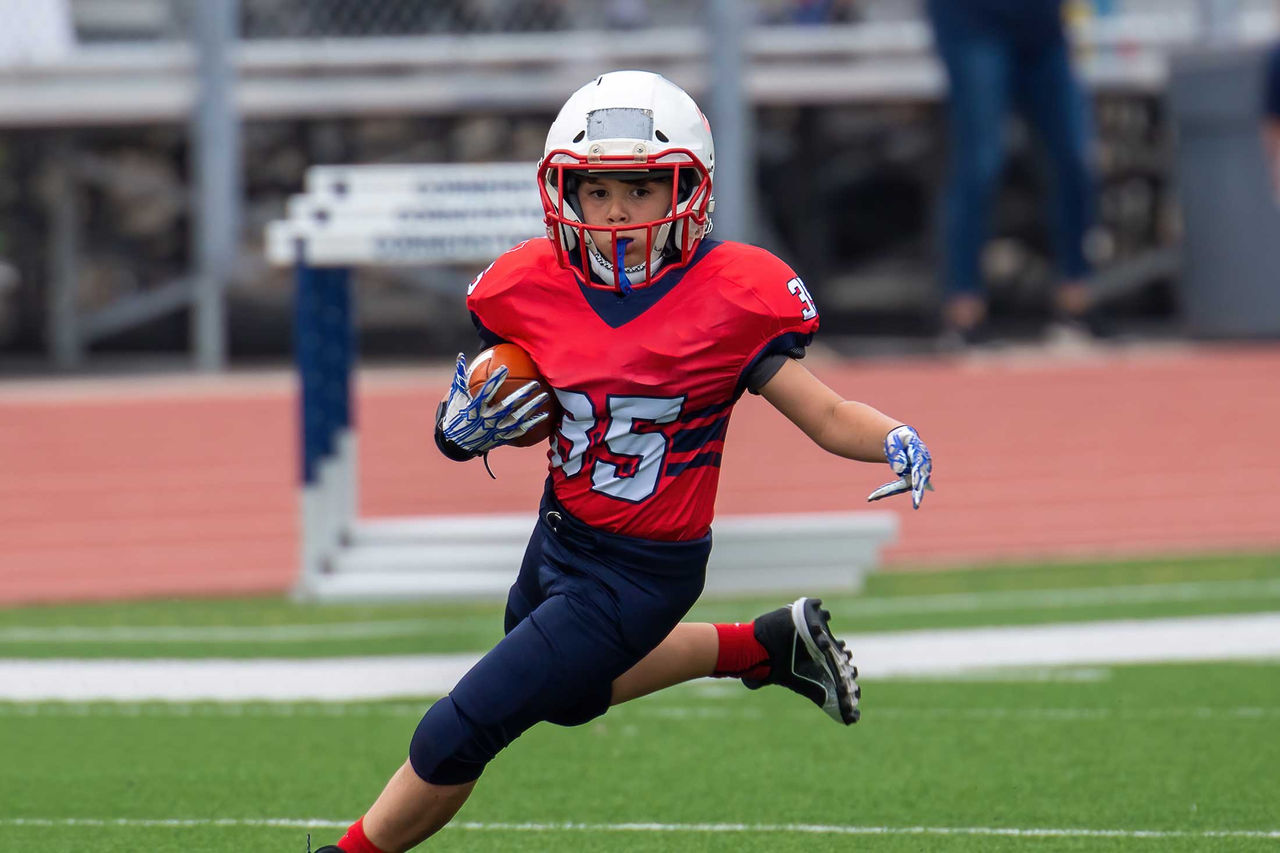
Long-lasting concussion symptoms
In people with a concussion, most symptoms go away within the first few weeks after injury. But about 15% to 30% of these individuals experience symptoms that last beyond the expected recovery period. This has been called post-concussion syndrome or post-concussive syndrome and is now more accurately referred to as persisting symptoms after concussion.
“Persisting symptoms after concussion can impact many different areas of a person’s life, like your ability to do schoolwork or socialize with friends,” says Daniel Daneshvar, MD, PhD, a Mass General Brigham brain injury specialist. “It can also be an isolating experience if you’re not recovering as quickly as expected. You may feel frustrated, or anxious about what that means. It’s important to remember that you’re not alone, and we have the tools to monitor and treat your symptoms over time to help you recover.”
Dr. Daneshvar is co-director of Sports Concussion at Mass General Brigham and sees patients at Spaulding Rehabilitation. He encourages people to seek care as soon as possible after a concussion. A qualified professional can help ensure that you return to activities as quickly and safely as possible.
A concussion is a mild brain injury that occurs after external force or impact to the head, neck, or body. This kind of trauma is often associated with a sports injury, fall, or accident.
Concussions cause a temporary deficit in the brain. Signs and symptoms of a concussion include:
- Loss of memory and/or consciousness (these are rare and aren’t required for diagnosis)
- Headache (most common)
- Dizziness, lightheadedness, and/or problems with balance
- Visual problems (blurry or double vision) or sensitivity to light
- Feeling confused, trouble concentrating, and/or sense of being foggy
- Problem with affect (the way your child expresses their emotions)
- Sleeping more or less than usual, trouble falling asleep, or feeling tired
Concussion symptoms can last days, weeks, months, and, in rare cases, years. You may have persisting symptoms after concussion if your symptoms last longer than 3 to 4 weeks.
In addition to some of the symptoms above, chronic concussion symptoms also may include:
- Anxiety or depression
- Irritability
- Trouble concentrating

What causes persisting symptoms after a concussion?
The reason that symptoms sometimes persist after concussion aren’t well understood, and researchers don’t know why they affect some people but not others. However, persistent concussion symptoms seem more common in people who have a history of:
- Anxiety or depression
- Migraine headaches
- Learning disability, such as attention-deficit/hyperactivity disorder (known as ADD or ADHD)
People who play certain contact sports are at a higher risk of concussions. These sports include:
However, there’s no evidence that persisting symptoms after concussion is more common in athletes.
Diagnosing persisting symptoms after concussion
No single test can definitively diagnose concussion, so it’s important to track symptoms and share them with your health care provider. Doctors make a diagnosis based on symptom prevalence, severity, duration, and clinical examination.
Dr. Daneshvar monitors symptoms over time with the Post-Concussion Symptom Scale (PCSS). The tool is a questionnaire that asks you to rate the severity of your symptoms. At each follow-up visit, Dr. Daneshvar administers the PCSS to monitor progress.
He also conducts repeat examinations to assess:
- Cognitive (brain) function
- Function of cranial nerves (nerves in the brain that help you taste, smell, hear, and feel sensations, as well as help you make facial expressions and movements)
- Eye movement
- Muscle strength, sensation, and reflexes
- Balance
Treating post-concussion symptoms
A doctor or concussion specialist can help you determine what to do if concussion symptoms persist. Treatment varies widely depending on the results of your examination and your individual needs.
“We’ll work on treating your most significant symptoms first. We may do this with specialized therapy, activity recommendations, and interventions including medications,” Dr. Daneshvar says. “Lifestyle changes guided by medical recommendations, including daily exercise and keeping up with social activities, are extremely effective at reducing symptoms and getting you back on track.”
Dr. Daneshvar recommends physical therapy and aerobic activity. He emphasizes the importance of getting daily exercise that raises your heart rate, while minimizing risk of an additional brain injury. Remember to stay physically and socially active. The goal is to help you live your life as normally as possible.
When can I return to sports after post-concussion syndrome?
Your doctor will work with you to create an individualized rehabilitation plan for safe return to sport or other activities.
Depending on your symptoms, their intensity, and how long they last, your doctors may refer you to other specialists, such as:
- Physical therapy or occupational therapy, which can help with balance, pain, and daily functioning
- Speech therapy
- Psychology or neuropsychology to address cognitive or mood difficulties
- Neurology, if headaches persist
- Neuro-optometry or ENT (ear, nose, and throat) for prolonged trouble with vision, dizziness, or balance
“Concussions aren’t a permanent injury—symptoms do resolve over time, even if they last longer than usual,” Dr. Daneshvar says. “A concussion specialist works with you to manage them and get you back to sports or other activities as quickly and safely as possible.”
Sports Medicine services
Concussions aren’t a permanent injury—symptoms do resolve over time, even if they last longer than usual. A concussion specialist works with you to manage them and get you back to sports or other activities as quickly and safely as possible.
Daniel Daneshvar, MD, PhD
- Brain Injury Specialist
- Mass General Brigham