Signs of an Opioid Overdose: How to Help in an Emergency
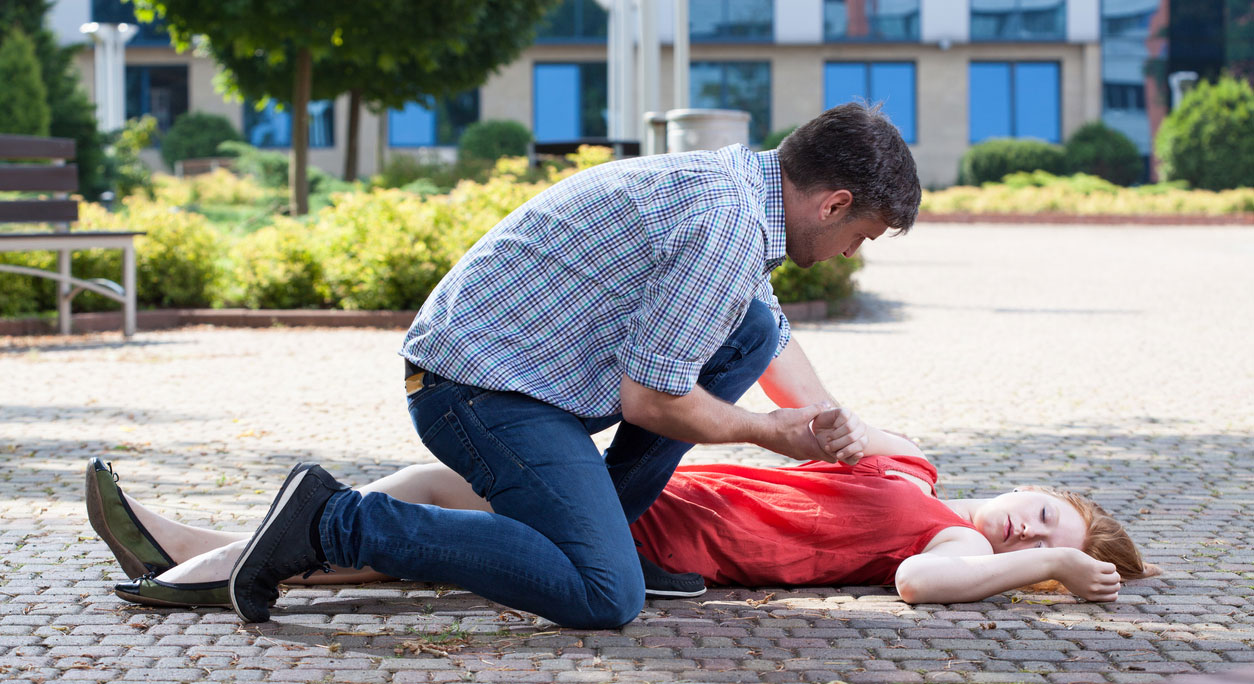
We are in the midst of our country’s worst overdose crisis. In 2021, 220 people died each day in the United States from an opioid overdose according to the Centers for Disease Control and Prevention (CDC).
“It may be hard to tell whether a person is experiencing an overdose,” says Ali Raja, MD, Mass General Brigham emergency medicine doctor and executive vice chair of the Department of Emergency Medicine at Massachusetts General Hospital. “If you aren’t sure, treat it like an overdose.”
If you suspect someone may be experiencing an overdose, here’s what you can do to potentially save a life:
Step 1: Check for signs of an opioid overdose.
Signs of overdose may include:
-
Small, constricted “pinpoint pupils”
-
Falling asleep or losing consciousness
-
Not responding to noise or physical stimuli
-
Slow, weak, or no breathing
-
Choking or gurgling sounds
-
Limp body
-
Cold and/or clammy skin
-
Discolored skin (especially in lips and nails)
Step 2: Call 9-1-1.
Call 911 if you think someone may be overdosing.
***************************************************************
Placeholder for YouTube Embed. Original Embed Link : https://www.youtube.com/embed/h-g6hw_YDzY?rel=0&showinfo=0&enablejsapi=1&origin=https%3A%2F%2Fwww.massgeneralbrigham.org.
***************************************************************
***************************************************************
Step 3: Give the person naloxone, if available.
What is naloxone?
Naloxone is a safe medication that can quickly reverse an opioid overdose. Naloxone is easy to use and small to carry. Read the instructions and check the expiration date before you give it to someone.
There are two forms of naloxone:
-
Nasal spray: A prefilled device that sprays medication into the nose.
-
Injectable: Medication (solution) you inject into a muscle or under the skin.
The decision on which form of naloxone to use or carry can depend many factors such as cost, availability, and comfort level. Both are safe, effective, and can help save a life.
How does naloxone work?
Naloxone can restore normal breathing within 2 to 3 minutes in a person whose breath has slowed, or even stopped, due to overdose.
More than 1 dose of naloxone may be required when stronger opioids, like fentanyl, are involved. Naloxone won’t harm someone if they’re overdosing on drugs other than opioids, so it’s always best to use it if you think someone may be experiencing an overdosing.
Step 4: Try to keep the person awake and breathing.
A vial of naloxone that someone is drawing a dose from.
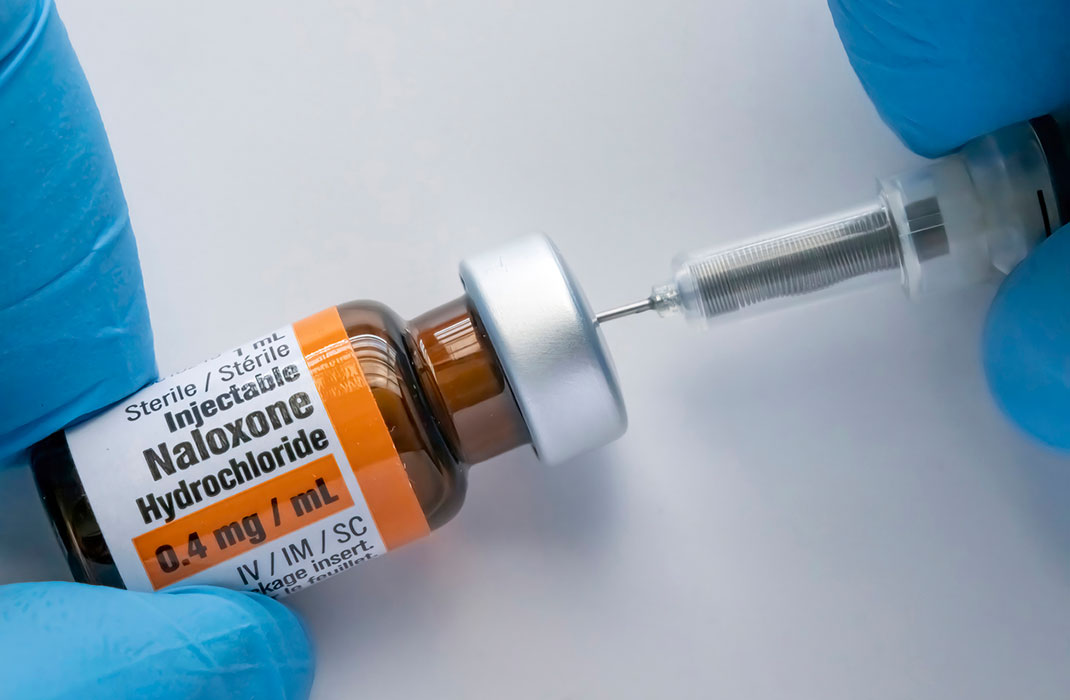
Injectable naloxone
***************************************************************
Placeholder for YouTube Embed. Original Embed Link : https://www.youtube.com/embed/BUhUiPeEX-8?rel=0&showinfo=0&enablejsapi=1&origin=https%3A%2F%2Fwww.massgeneralbrigham.org.
***************************************************************
***************************************************************
Step 5: Stay with the person until emergency assistance arrives.
“Coming upon someone experiencing an overdose can be scary,” Dr. Raja says. “But if you follow the right steps, you may help save a life.“
Naloxone: Be prepared to help a loved one
If someone you know is at increased risk for opioid overdose, you should carry naloxone and keep it at home. You can request naloxone if you know someone who takes opioids, or was prescribed an opioid medication. Currently all 50 states, the District of Columbia, and Puerto Rico allow pharmacists to dispense naloxone without a prescription and naloxone is now an over- the-counter medicine.
What increases risk of opioid overdose?
Anyone who takes opioids can overdose and should be offered naloxone. The following factors increase risk of opioid:
-
A history of overdose
-
Patients with sleep-disordered breathing
-
Patients taking benzodiazepines with opioids
-
Patients at risk of returning to a high dose for which they have lost tolerance. For example, patients undergoing tapering or recently released from prison.
-
Patients taking higher dosages of opioids
-
A history of substance use disorder
If any of the above applies to you, a family member, or someone you know, talk to a clinician, pharmacist, or local health department for options in your community.
Do I need special training to give naloxone to someone who has overdosed?
Being familiar with naloxone can help put your mind at ease in an emergency. Many local pharmacies and community-based programs offer training to use naloxone. The CDC has many resources on opioid overdose prevention that can help you support your loved one and prepare for emergencies.
Learn more about Substance Use Disorder Bridge Clinics
Being familiar with naloxone can help put your mind at ease in an emergency. Many local pharmacies and community-based programs offer training to use naloxone.
Ali Raja, MD
- Emergency Medicine Doctor
- Mass General Brigham