Foods That Improve Memory

Foods for brain health
“Food for thought” is more than just a catchy phrase. Specific foods can actually improve your memory, prevent brain disease, and lessen the effects of conditions such as Alzheimer’s disease.
“There are thousands of species or strains of bacteria that live in your gut. When they’re balanced and happy, that is good for the brain,” says Rudolph E. Tanzi, PhD, co-founder and co-director of Mass General Brigham’s McCance Center for Brain Health, which uses nutrition and other strategies to boost brain health. Dr. Tanzi is vice chair of neurology research and director of the Genetics and Aging Research Unit at Massachusetts General Hospital. His research lab focuses on identifying ways to protect and improve brain health and function. And he has authored several best-selling books about the importance of healthy habits, including The Healing Self.
Many people are living with chronic “brain fog” caused by diet and other factors, Dr. Tanzi says.
“Once you get away from the processed junk foods and eat a healthy diet that’s high in fiber and antioxidants, you will suddenly feel more alert, aware, and focused, with cognitive function at a higher level.”
Specifically, Dr. Tanzi recommends these categories of foods that prevent dementia and other cognitive decline:
-
Eggs: Eggs are high in choline, which supports brain function. Dr. Tanzi recommends eating eggs at least once or twice a week.
-
Fatty fish: Fatty fish is high in omega-3 fatty acids, particularly docosahexaenoic acid (DHA), excellent for brain function. Good choices are cod, pollock, and salmon.
-
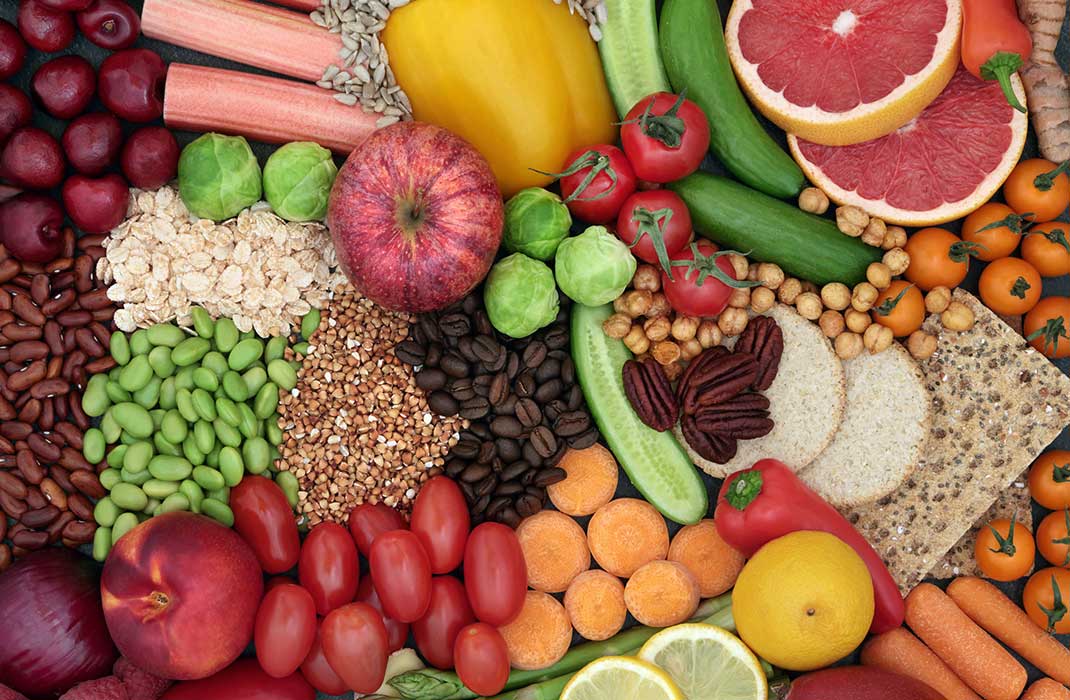
Fruits: Fruits reduce inflammation and control blood pressure — both of which boost overall health and brain health. Dr. Tanzi specifically recommends berries, oranges, avocado, black currants, and strawberries. You can also reap benefits from unsweetened fruit juices such as pomegranate juice.
-
Nuts: All nuts have benefits for the brain, but walnuts contain omega-3 and alpha-linolenic acid. If you’re watching fat intake, try lower-fat options, such as almonds rather than cashews, Tanzi suggests. Baruka nuts (baru nuts) are also a good choice because they are low in fat and high in antioxidants. If you’re controlling sodium, eat unsalted varieties, or mix unsalted with salted to reduce overall sodium.
SHIELD against memory loss
Diet is part of a set of strategies to protect brain health and enhance function. Dr. Tanzi uses the acronym SHIELD to help remember the most important ways to enhance memory.
-
S: Sleep
-
H: Handle stress
-
I: Interact with others
-
E: Exercise
-
L: Learn new things
-
D: Diet
The McCance Brain Care Score is a science-backed tool that considers dietary, physical, social, lifestyle, and other factors. Your score helps you understand your current brain health and recommends ways to improve it.
“The program focuses on ways people can be proactive to promote and preserve brain health,” Dr. Tanzi explains. “We see patients before they actually have disease and focus on ways to prevent brain disease, especially neurodegenerative disorders like Alzheimer’s disease, Parkinson’s disease, and stroke.”
Caution with nutritional supplements for brain health
The most effective way to get nutrients for brain health is through foods, rather than supplements. Although some supplements might help, they generally don’t have clinical data and evidence showing their effectiveness.
“Most of them say ‘clinically tested or proven,’ but there’s a lot of bunk out there,” Dr. Tanzi says. “The majority of brain health supplements either contain one ingredient that’s not proven to do anything, or multiple ingredients but not enough of any one of them to make a difference.”
The McCance Center is starting to research the effectiveness of supplements. In the meantime, Dr. Tanzi recommends asking your doctor.
Learn more about the early signs of dementia in women
The program focuses on ways people can be proactive to promote and preserve brain health. We see patients before they actually have disease and focus on ways to prevent brain disease, especially neurodegenerative disorders like Alzheimer’s disease, Parkinson’s disease, and stroke.
Rudolph E. Tanzi, PhD
- Neuroscientist
- Mass General Brigham